

Ever felt like your dog ignores your commands even when you try your best? Training a dog can be tough, especially with mistakes like not rewarding consistently or getting frustrated. We’ll look at key dog training tips to help you dodge these errors and succeed in canine behavior training.
Understanding the Importance of Positive Reinforcement
Keeping a positive attitude is key in dog training. Dogs pick up on human emotions, so they may act out if they sense frustration or anger. That’s why positive reinforcement is vital for training them well.
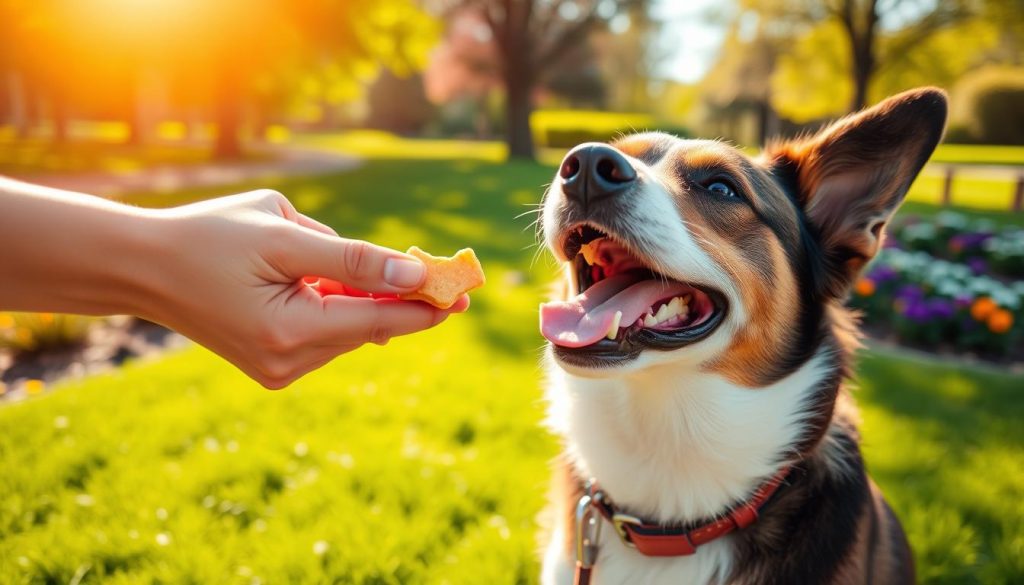
Using reward-based training helps a lot. Things like a happy voice and positive body language encourage your dog to learn. It’s important to give lots of rewards for the good behaviors you want to see.
Quick Recommendation : Our blog is filled with tips , tricks, and methods for training your dog. If you are seeking a comprehensive training program, we recommend the K9 Training Institute.
Give rewards right away to avoid confusion and to make sure your dog knows what they did right. Knowing what your dog enjoys helps you create a reward system. This can include treats, praise, or activities like walks and cuddles.
By focusing on positive reinforcement, you make training effective and fun for your dog.
The Dangers of Using Aversive Methods
Aversive training methods, like shock, prong, or choke collars, can harm your dog. They can make your pet more fearful, anxious, and stressed. Using negative reinforcement can also make your dog aggressive, hurting their well-being and your bond with them.
It’s key to use humane training methods that build trust and positive interactions. Many owners prefer using harnesses or head halters for walking instead of punishment. Studies show these tools are effective and keep dogs mentally and emotionally healthy.

Staying away from aversive methods makes training better for you and your pet. Humane training focuses on creating a positive space for your dog to flourish.
The Risk of Cue Nagging
Cue nagging happens when you keep saying a command like “come” over and over if your dog doesn’t answer right away. This can really hurt your training efforts. It tells your dog they can ignore your commands, leading to less understanding and respect.
Dogs often get distracted easily, making it hard for them to listen to commands. Instead of saying the command again, try to help your dog focus better. This is key for training them to respond to commands even when there are distractions.

Not nagging your dog helps avoid confusing them. Saying a command too many times can make it less powerful over time. You want to make sure your dog understands and responds to every command clearly.
To improve your training, make sure every command is clear and effective. Make sure your dog is paying attention before you give a command. Work on their ability to focus in distracting situations to avoid nagging. This will make training better and more successful for both you and your dog.
Ensuring Consistency in Training
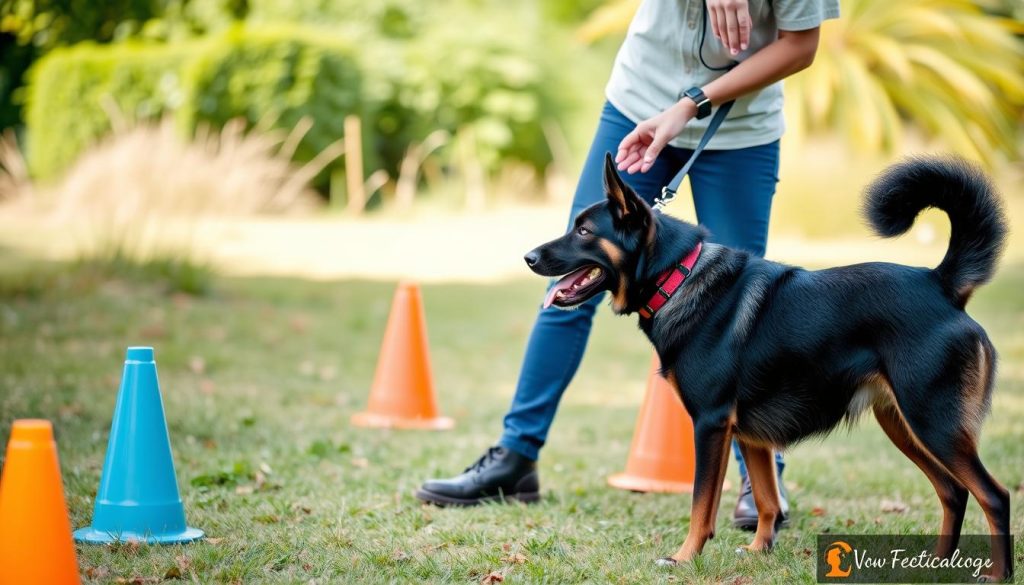
For consistent dog training, it’s important to be uniform. Dogs get confused if the signals they get are unclear or keep changing. To make sure your training works, your body language, gestures, and voice must match your verbal cues.
Quick Recommendation : Our blog is filled with tips , tricks, and methods for training your dog. If you are seeking a comprehensive training program, we recommend the K9 Training Institute.
Having reliable obedience cues means being consistent. Make sure your commands are clear and different from each other. This avoids confusion. Also, practice these cues in different places. This helps your dog understand the cues no matter where you are.
The more consistent you are, the more your dog will trust your cues. A well-trained dog is a happy dog. And it all starts with being consistent in how you train.
The Role of Treats in Effective Training
Treats are key in dog training, offering a clear way to use positive reinforcement. They make a big difference in how well your pet learns. High-value treats should match the task’s difficulty level.
It’s important to reward your dog at the right time and place. This helps your dog link the action with the reward. As your dog gets better, reduce how often you give treats. This keeps them interested and motivated, like the thrill of a slot machine.
But don’t just use treats all the time. As training goes on, mix in other positive rewards. This keeps your dog excited and not too dependent on treats.
Teaching Your Dog to Generalize Cues
It’s key to take your dog’s training beyond the first setting for effective cue generalization. Your dog might sit or stay well in the living room. But, it’s harder in a park or a busy street. Training in various places is crucial.
Proofing dog behaviors means practicing commands in different spots and situations. When your dog sits anywhere, anytime, you’ve hit the mark on cue generalization. Using the three Ds—distance, duration, and distractions—helps a lot. This method makes sure your dog follows commands everywhere.
Exposing your dog to new places and situations helps them understand commands are the same everywhere. This practice is key for your dog’s learning and your peace of mind. It ensures your dog behaves well in any situation. The aim is to have a reliable and obedient dog.
Practicing Dog Training Daily
It’s important to practice with your dog every day to keep their skills sharp. Adding a daily dog training routine to your schedule helps. It’s good for keeping behaviors strong, keeping their mind active, and giving them exercise.
Being consistent is crucial for dog skill improvement. Short daily sessions work better than long ones that come and go. Try to fit these sessions into your daily life, like before walks or meals. This makes training easy for your dog and keeps them practicing regularly.
Training your dog daily also strengthens your bond with them. Regular training means your dog listens better and feels closer to you. Make training fun and rewarding for your dog, and you’ll see big improvements over time.
Avoiding the Poisoning of Cues
“Poisoning of cues” occurs when a command links to a bad experience, not the action you want. This makes a dog less likely to listen. To fix this, keep commands positive by using them in good situations.
Don’t use a recall command right before something bad, like a bath or ending fun play. This helps keep training positive, making your dog more eager to follow commands.
There are other ways to help, like using treats to lure your dog. This keeps commands clear and positive, linking them to good things. By using clear commands and rewarding good actions, you can stop commands from becoming negative.
The Impact of Your Emotions on Training
Your mood greatly affects your dog’s behavior and learning. Dogs can sense your emotions, even the subtle ones. If you’re stressed or anxious, your dog may feel the same, making learning hard.
Keeping a positive mood is key for good training. Being calm helps your dog feel safe and ready to learn. If you get frustrated or angry, take a break. This lets you calm down and start again with a positive attitude.
Using your emotions wisely can really help in training. Aim for happy, stress-free training sessions. With consistent positive reinforcement and a calm attitude, you’ll improve communication with your dog. This leads to better training results.
Conclusion
Understanding and patience are key in dog training. Positive reinforcement is a main idea, rewarding good actions and making training positive. Avoiding harsh methods keeps your dog happy and strengthens your bond.
Being consistent is crucial. Regular training, even in short sessions, builds a strong bond. It helps your dog learn in different places and situations. Treats are more than rewards; they make learning fun for your dog.
Being patient and kind in training leads to better results. Dogs learn at their own pace, so support them with kindness. The way you feel affects how your dog responds to training. Celebrate their successes, improve your training, and enjoy watching your dog grow. Every effort helps make your dog obedient and builds a strong relationship.
Quick Recommendation : Our blog is filled with tips , tricks, and methods for training your dog. If you are seeking a comprehensive training program, we recommend the K9 Training Institute.