
Ever wondered why your newly adopted dog seems both excited and anxious? Adopting a rescue dog brings incredible joy. But, it also comes with unique challenges that need patience and understanding. How can you ensure a smooth transition for your furry friend into their new home?
In this guide, we’ll explore essential tips and strategies to support rescue dog adaptation. We’ll cover creating a safe environment and effective training techniques. By the end of this article, you’ll know how to make your pet’s transition smooth. So, let’s dive into the heartwarming and rewarding journey of adopting a dog!
Understanding Your Rescue Dog’s Background
When you bring a rescue dog home, it’s key to know their background. This helps you meet their needs better. Learning about their past gives insight into their behavior and makes their transition smoother.
Rescue dogs often face abuse, neglect, or many homes before they find yours. These experiences shape their behavior and feelings. Knowing their adoption story helps you train and bond with them better.

Quick Recommendation : Our blog is filled with tips , tricks, and methods for training your dog. If you are seeking a comprehensive training program, we recommend the K9 Training Institute.
Understanding animal behavior linked to their past is crucial. Dogs with hard pasts may show anxiety, fear, or odd behaviors. Knowing these signs helps you support them and create a stable home.
No matter their past, taking time to understand your rescue dog’s background is vital. It helps you meet their specific needs. This knowledge also builds a strong bond with your pet, leading to a happy life together.
Creating a Safe and Comfortable Environment
When you bring a rescue dog home, make sure it’s a pet-friendly place. Start with the right bedding. Choose a soft, sturdy bed that gives support and warmth. This helps make a cozy spot for your dog.
Put the bed in a quiet spot where your dog can relax away from noise. This gives them a safe place to retreat.

Quick Recommendation : Our blog is filled with tips , tricks, and methods for training your dog. If you are seeking a comprehensive training program, we recommend the K9 Training Institute.
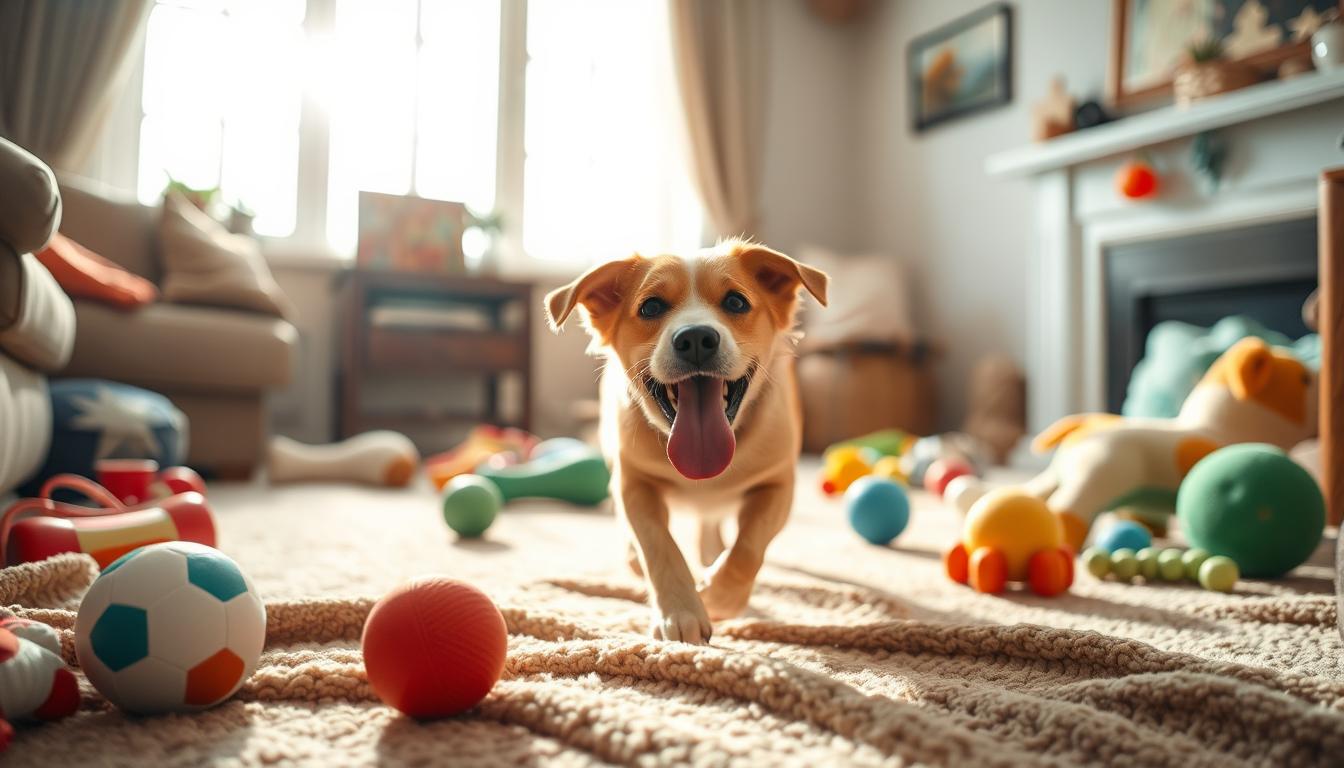
Toys are key to a happy home. Pick toys that are fun and can take a lot of chewing. Toys that keep your dog busy can help with anxiety and good behavior.
Keeping your home safe is very important. Make sure things like electrical cords, dangerous plants, and small items are out of reach. Baby gates can help keep your dog in a safe area. This lets them explore safely.
Finally, create a special area just for your dog. Keep it away from where people walk by and loud noises. This helps your dog feel secure and comfortable in their new home.
Establishing a Routine
Creating a structured dog routine schedule is key for your rescue dog’s comfort and adjustment. It brings predictability to their daily life, which is vital for dogs from uncertain backgrounds. A good routine includes feeding, exercise, and rest.

Quick Recommendation : Our blog is filled with tips , tricks, and methods for training your dog. If you are seeking a comprehensive training program, we recommend the K9 Training Institute.
Begin with a steady feeding routine. Feed your dog at the same times every day. This makes them feel safe and dependable. Feeding twice a day, in the morning and evening, is often effective. Choose high-quality dog food for their health and happiness.
Then, add an exercise routine for dogs to keep them active and happy. Schedule walks, playtime, and fun activities regularly. This keeps them fit and sharp, which is important for a rescue dog’s well-being.
Lastly, remember the value of rest. Ensure your dog has a cozy place to relax and nap. Regular rest times help them adjust better and stay balanced.
By mixing predictability with fun activities, your rescue dog will settle in nicely. A dependable dog routine schedule makes your life easier and helps your new friend feel at home.
Basic Training Techniques for Rescue Dogs
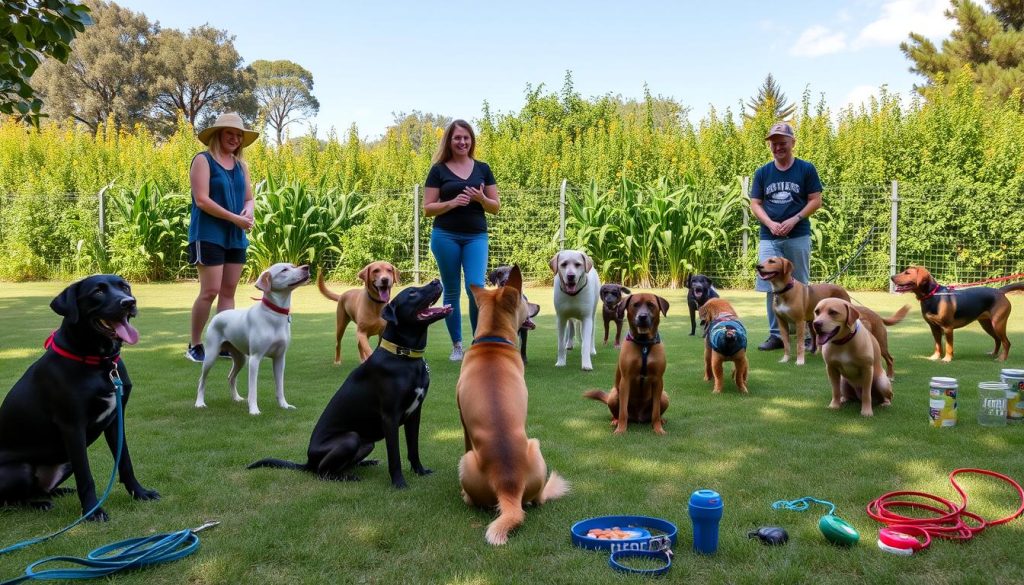
Bringing a rescue dog home is both rewarding and challenging. Learning basic training techniques can make the transition smoother. Start with simple commands like “sit,” “stay,” and “come.” These commands are the basics of obedience training and help build a strong bond with your dog.
Positive reinforcement is crucial for training a rescue dog. Reward your dog with treats, praise, or toys when they follow a command. This makes learning fun and helps build trust. It’s important to be consistent with your commands and rewards to reinforce good behavior.
Quick Recommendation : Our blog is filled with tips , tricks, and methods for training your dog. If you are seeking a comprehensive training program, we recommend the K9 Training Institute.
Housebreaking is key for your rescue dog. Create a routine for bathroom breaks and reward them when they go outside. If they have an accident, clean up without punishing them. This prevents setbacks and fear. Leash training is also important for dogs new to walking on a leash. Begin with short walks and gradually increase the time as they get more comfortable.
Consistency and patience are key in training your dog. Keep training sessions short and fun to keep your dog’s attention. Using these basic techniques can greatly improve your dog’s adjustment to their new home. It also strengthens the bond between you and your furry friend.
Building Trust with Your Rescue Dog
Trust is key to a strong bond with your rescue dog. Start by understanding their past to connect with their fears and anxieties. Spend calm, quality time with your dog doing things they like.
Patience and consistency are key when bonding with a new dog. Reward them with treats when they show confidence. Watch for signs like a wagging tail or relaxed ears to see they trust you more.
Let your dog control how much interaction they want. It’s important to respect their boundaries in building trust. Don’t push them into stressful situations. Positive experiences and a safe space will make your bond stronger.
Experts say gentle, consistent handling helps your rescue dog feel secure. Activities like play, training, and walks can deepen your bond. With time and effort, you’ll see trust grow, making it a rewarding journey.
Handling Behavioral Issues
Dealing with dog issues can be tough, especially for rescue dogs. They often have unknown pasts and may have been through traumas. The key to fixing their behavior is to understand what makes them act out.
Rescue dogs may have issues like separation anxiety, too much barking, being aggressive, or being fearful. To start fixing these problems, watch your dog to see what triggers these behaviors. For instance, if your dog gets aggressive with other dogs on walks, it could be from bad past experiences.
Getting help from a pro can be a big help with tough behaviors. A certified dog trainer or a vet behaviorist can give you specific advice on how to change your dog’s behavior. Make sure to pick someone who uses positive methods, not harsh ones.
Being consistent and patient is key to fixing dog behavior issues. Reward good behavior with praise and snacks, so your dog knows what’s right. Don’t use punishment, as it can make things worse.
Every dog is different, and changing their behavior takes time. Keep working on your dog’s issues with kindness and understanding. This will help build a strong and safe bond with your rescue dog.
Socializing Your Rescue Dog
Patience and consistency are crucial when socializing your rescue dog. Start by introducing them to new people and pets slowly. This helps build the social skills they need for a happy life. Begin by meeting dogs in a neutral place to avoid territorial feelings.
Watch how they act during these first meetings. Make sure they seem relaxed and happy. This careful watching helps them get along with other pets without stress. Give them treats and praise when they act calm and friendly.
Make safe spaces for your dog to meet new friends. These positive experiences are key for their happiness and well-being. Don’t rush the process; it’s important for their comfort. Celebrate their small wins and keep working on their social skills.
Conclusion
Adopting a rescue dog is a rewarding journey filled with joy and learning. It’s important to understand your dog’s past and make a safe home for them. Start by creating a routine and using basic training to help them adjust.
Dealing with behavioral issues and social challenges takes patience. But with the right approach, your bond with your dog will grow stronger. Every effort you make in training and supporting your dog makes them happier and your bond stronger.
Building a loving relationship with your rescue dog is ongoing. Be open to learning and adapting as you go. The happiness you create for your dog will be huge. Remember, the effort you put in now will lead to a lifetime of happiness with your dog.
Quick Recommendation : Our blog is filled with tips , tricks, and methods for training your dog. If you are seeking a comprehensive training program, we recommend the K9 Training Institute.