
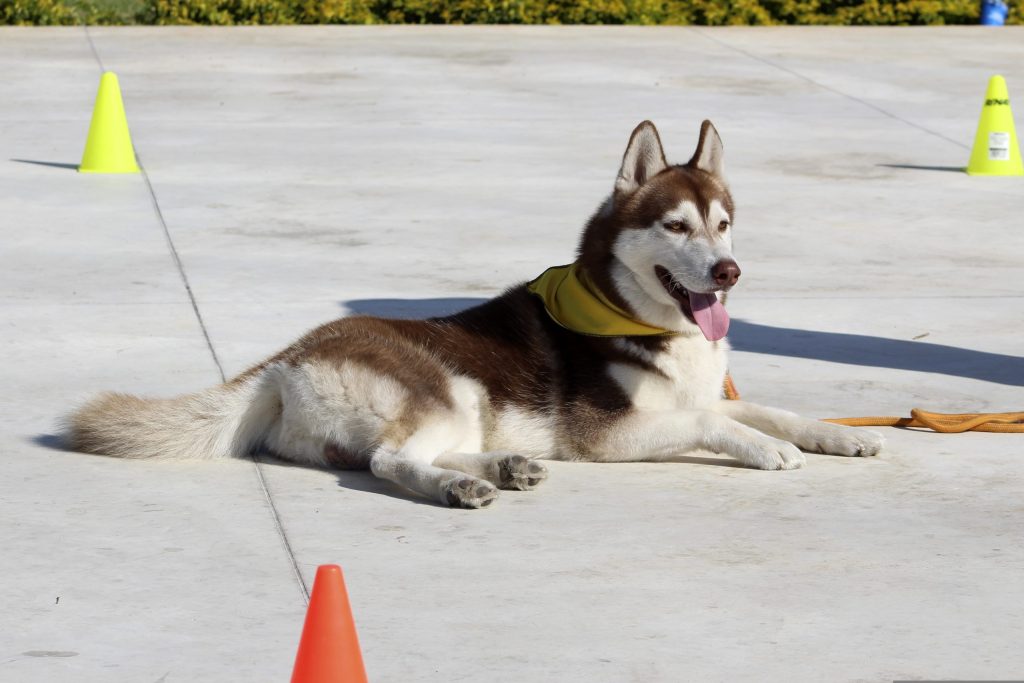
If you’ve recently welcomed a new dog into your home, you’re probably wondering where to start with training. The good news is that with the right approach—and a few helpful tools—you can build a well-behaved, happy dog.
In this guide, we’ll cover the best dog training tools for beginners in the UK, how to use them, and how they can make training easier and more effective.
🐶 Why Dog Training Tools Matter
Training your dog isn’t just about teaching commands—it’s about building trust, communication, and consistency.
Using the right tools can help:
- Reinforce positive behaviour
- Speed up training progress
- Reduce frustration (for both you and your dog)
- Make training sessions more enjoyable
🦴 1. Training Treats (Essential for Positive Reinforcement)
One of the most effective training methods is reward-based training. Dogs learn quickly when good behaviour is rewarded.
What to look for:
- Small, soft treats
- Strong smell (to grab attention)
- Low calorie (for frequent rewards)
👉“We recommend using small, high-value training treats like these to keep your dog motivated during sessions.”
🎾 2. Clicker Training Tools
Clicker training is a powerful method where a clicking sound marks good behaviour, followed by a reward.
Benefits:
- Clear communication
- Faster learning
- Great for puppies and rescue dogs
👉A simple clicker like this can dramatically improve how quickly your dog understands commands.
🦮 3. No-Pull Harness for Better Walks
“If your dog pulls on the lead, this is the one that actually helped”. A no-pull harness gives you better control without hurting your dog.
Why it’s useful:
- Reduces pulling instantly
- Safer than collars for strong dogs
- Helps reinforce loose-lead walking
Using a no-pull harness like this one can make daily walks calmer and more controlled.
🐕 4. Long Training Lead
A long lead is perfect for recall training, especially in parks or open spaces.
Benefits:
- Safe freedom for your dog
- Improves recall training
- Builds confidence
👉For recall practice, a long training lead like this gives your dog freedom while staying safe.
🧸 5. Interactive Toys for Mental Stimulation
Training isn’t just physical—mental stimulation is just as important.
Why use them:
- Prevent boredom
- Reduce destructive behaviour
- Improve focus
👉 Interactive toys like this are great for keeping your dog mentally engaged between training sessions.
🐾 Tips for Successful Dog Training
- Keep sessions short (5–10 minutes)
- Be consistent with commands
- Always reward good behaviour
- Stay patient—progress takes time
🐕 Final Thoughts
Training your dog doesn’t have to be overwhelming. With the right tools and a consistent approach, you can build a strong bond and a well-behaved companion.
Adding helpful products to your routine—like treats, clickers, and harnesses—can make a huge difference in your success.