

Ever felt like your dog is ignoring you on purpose? It’s a common problem many face. But, there are ways to make your stubborn dog behave well. We’ll show you how to turn your tough pup into a well-trained friend.
We’ll look at why dogs act stubborn and how to tell if it’s really stubbornness. You’ll learn key strategies to help your dog listen better. This guide is packed with tips to make training easier.
Key Takeaways
- Understand the underlying reasons for your dog’s stubborn behavior
- Recognize the difference between true stubbornness and other behavioral issues
- Utilize positive reinforcement and patience to build a strong training foundation
- Adapt your training approach to your dog’s individual needs and learning style
- Seek professional help if you’re struggling to make progress with your stubborn pup
Understanding Why Dogs Show Stubborn Behavior
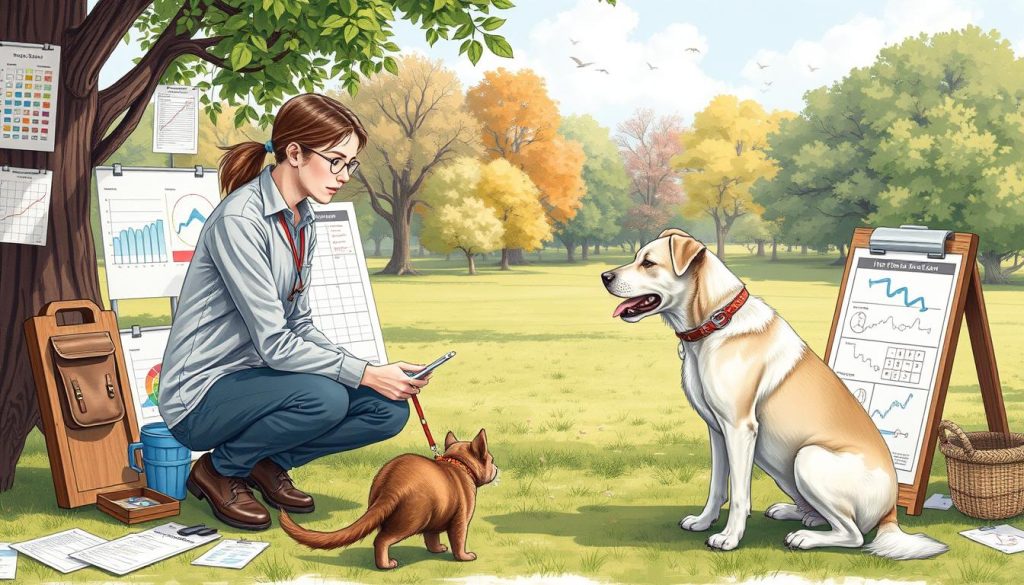
Figuring out why your dog is stubborn is key to fixing the problem. Many things can make a dog resistant to training. These include their breed, past experiences, and their environment. Learning about dog psychology helps you understand your dog better and find the right training methods.
Some breeds, like terriers and hounds, are naturally more stubborn. They are independent and strong-willed. This can make training them harder because they might not listen to you.
Quick Recommendation : Our blog is filled with tips , tricks, and methods for training your dog. If you would like to attend a Free Dog Training Workshop, we recommend the K9 Training Institute.
A dog’s past can also affect their behavior. If they were neglected, abused, or not trained well, they might not trust people. Knowing this can help you train them with kindness and patience.
Stress, boredom, or not enough exercise can also make dogs stubborn. A dog that’s not active or mentally stimulated might act out. Meeting their needs can make them more willing to listen to you.
Signs Your Dog Isn’t Actually Being Stubborn
When you try to train a dog, it’s easy to think they’re being stubborn. But, this might not always be true. It’s important to know the difference between stubbornness and other issues like fear, anxiety, or confusion. This helps you understand your dog better and train them more effectively.
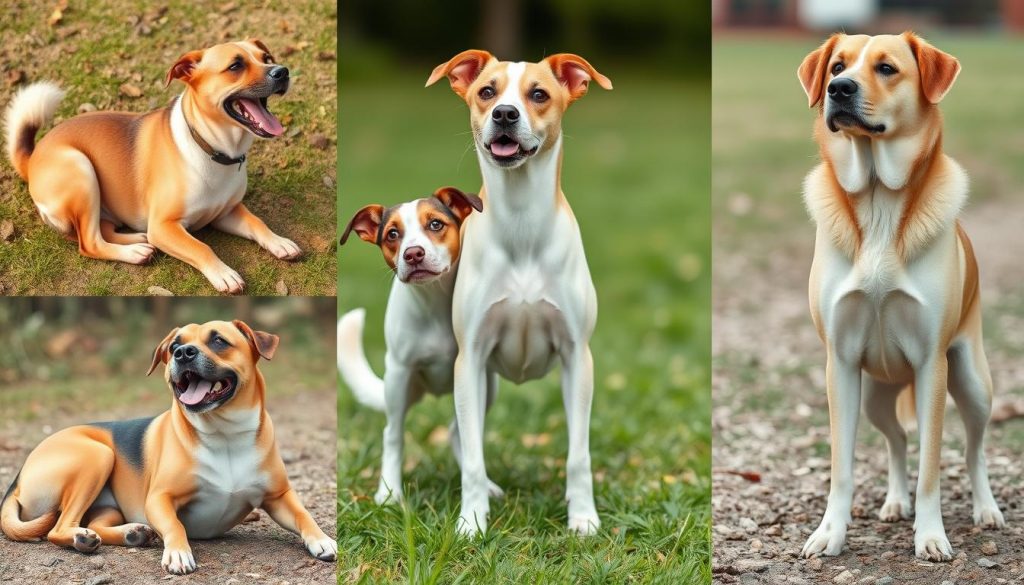
Look out for signs that your dog isn’t being stubborn. If they cower, tremble, or avoid eye contact, it’s not stubbornness. It’s usually a sign of stress or discomfort. Paying attention to your dog’s canine communication helps you see when they’re struggling, not just being stubborn.
Quick Recommendation : Our blog is filled with tips , tricks, and methods for training your dog. If you would like to attend a Free Dog Training Workshop, we recommend the K9 Training Institute.
Dogs might seem stubborn when they’re really confused or unsure. If this happens, go back to the basics of training. Break down the task into smaller steps. This way, you can help your dog understand and succeed, avoiding the mistake of thinking they’re being misinterpreted dog behavior.
Essential Tools and Equipment for Training Difficult Dogs
Training a stubborn dog needs the right tools and equipment. The right gear can greatly improve your training sessions. It helps you get the best results. From treat pouches to long leashes, and clickers to interactive toys, these tools are essential.
A treat pouch is a must-have. It keeps rewards handy, making training easier. Choose one with a secure closure and adjustable strap for comfort.
Long leashes, from 15 to 30 feet, offer freedom and control. They’re great for recall and impulse control training. This is especially useful for stubborn dogs.
Clickers are also key. They mark the exact moment a dog does something right. This helps reinforce good behavior, especially for dogs who find verbal cues hard to follow.
Interactive toys are a great addition to training. Puzzle feeders, snuffle mats, and chew toys keep dogs engaged and motivated. They reduce boredom and stubbornness. These toys also boost mental stimulation, which is vital for training tough dogs.
How to Handle a Stubborn Dog in Training
Training a stubborn dog can be tough, but it’s doable with the right methods and patience. It’s important to tailor your training to your dog’s personality and needs. First, figure out why your dog is being stubborn. It might be because they’re bored, anxious, or not understanding you well.
Once you know the reason, you can start using specific training techniques to fix it. This will help your dog overcome their stubbornness.
Building a strong bond with your dog is key. Show them you’re a calm, confident leader. Use treats and praise to encourage good behavior. Be consistent in your training sessions.
Break down big commands into smaller steps. Be patient as your dog learns at their own speed. As they get better, make the exercises harder.
When training a stubborn dog, keep the environment calm and free from distractions. Avoid using punishment, as it can make things worse. Instead, use positive methods like redirection, praise, and rewards.
With patience, consistency, and the right approach, you can train a stubborn dog. Building trust and using positive reinforcement will help your dog become well-behaved. Every dog is different, so try different techniques until you find what works for your stubborn pup.
Building a Strong Foundation Through Positive Reinforcement
Training a stubborn dog starts with positive reinforcement. Reward-based training, like clicker training, is very effective. It helps shape good behaviors by rewarding them.
Clicker training is great for stubborn dogs. The click sound helps your dog know what behavior to reward. When you pair it with treats or praise, they learn to listen and obey.
Using different rewards can also work well. Keep your dog’s favorite treats ready. Give lots of praise and affection when they behave well. This builds trust and cooperation, making training easier.
Patience and consistency are crucial with stubborn dogs. It might take time for them to get it. But, the rewards are worth it. Positive training helps unlock your dog’s potential and strengthens your bond.
Breaking Down Complex Commands for Stubborn Dogs
Training a stubborn dog can be tough, but it’s doable with the right strategy. One good way is to split complex commands into simpler steps. This makes it easier for stubborn dogs to learn and remember.
Begin by breaking down commands into their basic parts. For instance, instead of saying “sit, stay, and come,” teach each one separately. This way, your dog won’t feel overwhelmed and can learn one thing at a time.
Once your dog gets the hang of the basics, you can start linking the commands together. Use positive rewards like treats and praise to help them learn and stay motivated.
Every dog learns at their own speed, so patience is key. By taking it slow and breaking down commands, you can teach even stubborn dogs to follow basic commands.
Quick Recommendation : Our blog is filled with tips , tricks, and methods for training your dog. If you would like to attend a Free Dog Training Workshop, we recommend the K9 Training Institute.
Managing Distractions During Training Sessions
Teaching dogs to ignore distractions is key, especially for stubborn ones. Keeping your dog’s attention during training can be tough. But, with the right methods, you can reduce distractions and keep your dog interested.
One effective way is to control the environment. Start in a quiet area and then add more distractions as your dog gets better. This helps them stay focused, even in noisy places.
Using high-value rewards and praise also works well. These make your dog want to listen more than be distracted. This method is great for building focus and obedience.
Being patient and consistent is crucial when training a stubborn dog. Celebrate small wins and make training harder as your dog improves. With effort, your dog can learn to focus and succeed, even with distractions.
Establishing Leadership Without Force or Dominance
Positive leadership in dog training is about building trust and respect. It’s not about using force or dominance. Instead, it’s about guiding your dog with consistency and positive reinforcement. This way, you become a trusted leader in your dog’s eyes.
By focusing on building trust, you can create a strong bond with your dog. This bond leads to better behavior and a happier dog. It makes your dog more well-adjusted and happy.
Avoid using harsh or punitive training methods. They can harm the trust between you and your dog. Use positive reinforcement like treats, praise, and affection to reward good behavior. This shows your dog that you’re a source of good things, not someone to fear.
With patience and consistency, you can shape your dog’s behavior without force. This approach helps your dog understand and follow your lead better.
Your dog looks to you for guidance and leadership. By leading in a positive, non-threatening way, you build a relationship based on respect and trust. This method not only improves training but also makes your dog happier and more eager to please.
Addressing Common Training Challenges
Training a stubborn dog can be tough. You might face challenges like refusal to listen or selective hearing. But, with the right approach, you can overcome these hurdles and teach your dog new behaviors.
Stubborn dogs often ignore commands or pretend not to hear them. Reward your dog for any small response to your commands. This helps build up to full compliance. Breaking down complex commands into simpler steps also helps your dog understand better.
Leash walking can be a challenge too. Use positive reinforcement, like treats, to keep your dog close. Increase the walk’s duration and add distractions to help your dog get used to it.
By tackling these common challenges, you can improve your dog’s behavior. Remember, patience, consistency, and a positive attitude are crucial. They help you and your dog grow closer and reach new heights together.
When to Seek Professional Help
Training a stubborn dog can be tough, even for the best owners. Sometimes, you need the help of professional dog trainers or behavior specialists. They offer valuable advice and support when you’re stuck.
If your dog’s stubbornness is risky, like aggressive behavior or ignoring commands, it’s time to get help. Professional trainers can teach your dog to be safer and more obedient.
Trying different training methods at home but not seeing results? That’s a sign you might need a pro. Behavior specialists know how to tackle stubbornness with a plan tailored just for your dog. They’ll help you figure out why your dog is stubborn and find ways to fix it.
When looking for a professional dog trainer or behaviorist, find someone with lots of experience. Check their methods, beliefs, and qualifications to make sure they’re a good fit for you and your dog. A skilled trainer can greatly improve your relationship with your stubborn dog.
Quick Recommendation : Our blog is filled with tips , tricks, and methods for training your dog. If you would like to attend a Free Dog Training Workshop, we recommend the K9 Training Institute.
Creating a Long-Term Training Strategy
Creating a detailed, long-term training plan is key for stubborn dogs. It keeps their obedience strong and introduces new challenges. This keeps your dog interested and prevents them from forgetting what they’ve learned.
Begin by going back to the basics. Practice commands like sit, stay, and come often. As your dog gets better, make the tasks harder by adding distractions or increasing the time.
Bring in new tricks and behaviors regularly. This keeps your dog from getting bored and boosts their problem-solving skills. Try different types of training, like agility or scent work, to keep things exciting.
Training stubborn dogs is a lifelong job. A strategy that grows with your dog ensures a strong bond and a well-behaved pet for many years.
Conclusion
Training a stubborn dog can be tough. But with patience, consistency, and positive reinforcement, you can see great results. Every dog is different, so be ready to try new things.
By focusing on stubborn dog training success, you’re making big strides. Celebrate every small win, for you and your dog. This dedication will make your bond stronger and more rewarding.
The journey to train a stubborn dog is long but worth it. Stay committed to your plan and trust your instincts. Your dog is lucky to have you. Keep up the good work and enjoy the journey to a well-behaved pup.
Quick Recommendation : Our blog is filled with tips , tricks, and methods for training your dog. If you would like to attend a Free Dog Training Workshop, we recommend the K9 Training Institute.