
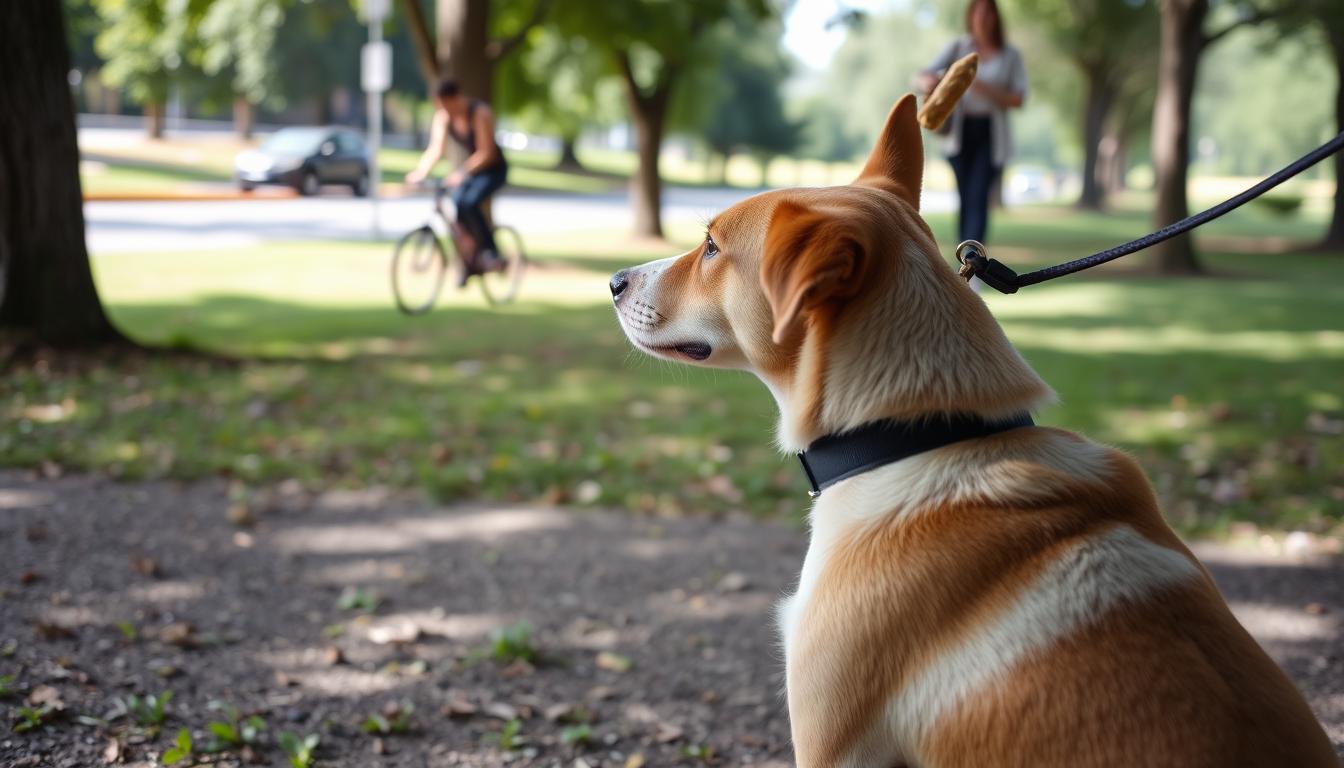
Why does your furry friend bolt after every car or bike that passes by, and more importantly, how can you stop it?
Understanding and addressing this instinctive behavior is crucial for pet safety, yours, and the well-being of others on the road. In this article, you’ll discover the reasons behind your dog’s chasing tendencies and learn effective dog obedience training methods to prevent chasing.
From insights shared by renowned dog behaviorists like Cesar Millan to guidelines from the ASPCA, we’ll cover animal behavior modification, specific training techniques, and safety measures for a harmonious and secure environment for your pet.
Understanding the Chase Instinct in Dogs
Dogs have a chase instinct that comes from their ancestors. This urge is linked to their prey drive. When they see a moving object, like a car or bike, they feel the need to chase it. This behavior is part of their evolutionary makeup, helping them catch prey in the wild.
The American Kennel Club (AKC) and vets say chasing isn’t random. It’s a key part of their behavior. Animal psychology shows that once their prey drive is triggered, it’s hard to control. Dogs’ brains are wired to react to moving objects, so it’s key to understand these instincts when training them.
Exploring animal psychology further, you’ll see that the chase instinct activates certain brain pathways. It makes dogs feel an uncontrollable urge to chase. Knowing this helps you see that training them not to chase cars and bikes is more than discipline. It’s about managing and redirecting their natural instincts in a humane way.

Quick Recommendation : Our blog is filled with tips , tricks, and methods for training your dog. If you would like to attend the Free Dog Training Workshop, we recommend the K9 Training Institute.
Recognizing the Signs of Chasing Behavior
It’s important to know what your dog is thinking. When they’re about to chase, you’ll see some clear signs. They might stare hard, ears up, and body tight. These are the first signs they’re ready to chase.
Another way to tell is by looking at how they stand. If they’re stiff, tail up, and head down, they’re getting ready to chase. You might also see them get excited. This can show as fast movements, barking, or whining.
Trainers say knowing these signs helps you manage your dog better. Studies back this up, showing it’s easier to stop chasing once you know what to look for.
Watching your dog closely for these signs helps you stop chasing early. Learning to recognize these cues lets you step in and teach your dog the right behavior. This keeps them safe and well-behaved.

Quick Recommendation : Our blog is filled with tips , tricks, and methods for training your dog. If you would like to attend the Free Dog Training Workshop, we recommend the K9 Training Institute.
Preparing for Training Sessions
Starting a successful training session means knowing the basics of dog training. Create a calm and focused space before you begin. Choose a quiet area like a backyard or a big park to keep your dog’s attention on you.
Then, get the tools you need. Leashes, clickers, and treats are key for positive learning. Keep them close to avoid any interruptions. Always use positive reinforcement to help your dog learn without stress.
It’s also important to prepare your dog mentally. Make sure they’re not too tired or hungry. A fun activity can help them relax and focus better.
Experts like those from the American Kennel Club (AKC) stress the need for consistency and patience. They suggest breaking tasks into smaller steps to boost your dog’s confidence. This method is great for dog training basics, helping your dog learn and remember commands well.
Finally, keep training sessions short but regular. Dogs can only focus for 10-15 minutes at a time. Short, daily sessions can help your dog learn faster and more effectively.
How to Train Your Dog to Not Chase Cars or Bikes
Training your dog to avoid chasing cars or bikes starts with understanding their instinct. It uses positive reinforcement and behavior change. This keeps your dog safe and improves their obedience.
Begin by practicing in controlled areas, away from real distractions. Teach your dog commands like “sit” or “stay.” Reward them with treats or praise when they follow these commands, especially when they’re tempted to chase.
When your dog does well in these controlled areas, start introducing them to real cars and bikes. Keep a safe distance and hold the leash tightly. If they get too excited, use a toy or command to distract them. Reward them when they focus on you instead.
Being consistent is crucial for changing behavior. Short, focused training sessions work better than long, random ones. Look at resources from the Humane Society or PetMD for more tips. They can help you tailor training to your dog’s needs.
Using Leash Training to Control Chasing
Mastering leash handling skills is key to stopping your dog from chasing moving things. These skills keep you and your dog safe and show who’s in charge. Holding the leash right is important. It lets you guide your dog without hurting them.
Controlled walking is a must. Keep the leash short and your dog by your side. This way, they focus on you, not on cars or bikes. Regular controlled walks teach your dog good behavior and cut down chasing.
Teaching your dog to control their impulses is also vital. Use training that rewards calmness and stops chasing. The Victoria Stilwell Academy suggests patience and positive rewards. This helps your dog learn to resist chasing, making walks safer and more fun.
Leash training is about more than just stopping bad behavior. It’s about building trust and respect. With better leash handling and controlled walking, you can manage your dog’s chasing better.
Incorporating Distraction Techniques
Distraction techniques are key when training your dog to avoid chasing cars or bikes. Using toys or treats that your dog loves can be very effective. When they see a moving object, quickly give them a toy to distract them.
This not only stops the chase but also makes it fun for them. It’s a great way to keep them engaged and safe.
Teaching obedience commands is also important. Commands like “sit,” “stay,” or “leave it” help control your dog in dangerous situations. Regular training with these commands helps your dog respond quickly and stay safe.
Providing mental stimulation is another great strategy. Brain games and puzzles challenge your dog’s mind and reduce chasing behavior. These activities keep your dog busy and less likely to chase.
Dog behavior experts often suggest combining physical exercise with mental challenges. This approach helps curb chasing instincts effectively.
Building a Strong Recall Command
Recall training is key for your dog’s safety, especially in busy places. Choose a recall cue like “come” or “here” and use it the same way every time. Start in a quiet area with few distractions to help your dog focus.
Use treats, praise, and affection to motivate your dog. Reward them right away when they come back. As your dog gets better, add more distractions to keep them focused on the recall cue.
Adding obedience commands to your daily routine can make recall training stronger. Teach commands like sit and stay to show your dog the value of listening. Use recall commands during play to teach your dog to come back even when they’re busy.
Emergency recall commands are crucial for keeping your dog safe in dangerous situations. Train a special emergency recall command that’s different from your usual one. Practice this command often and reward your dog heavily for responding quickly.
Addressing Persistent Chasing Behavior
Dealing with your dog’s chasing can be tough. It’s important to know when to get help from a pro. Not all chasing problems can be fixed at home, and that’s where professional dog training comes in.
Experts like Zak George share real-world tips. For tough cases, special programs can help a lot. These programs are made to tackle deep issues and help your dog stop chasing.
When fixing behavior, being consistent and patient is key. Chasing is often an instinct for dogs. It takes time and effort to break this habit. Professional training can give you a clear plan to follow.
Using these methods can manage chasing and improve your dog’s behavior. This leads to a safer and happier home for you and your dog.
Ensuring Your Dog’s Safety Outdoors
When you take your dog outside, their safety is key, especially if they chase cars or bikes. Using the right gear like training collars and secure leashes helps a lot. These tools let you control your dog better.
Training collars are great for teaching commands and stopping bad habits. They work well with secure leashes. This combo keeps your dog safe and under your control outside.
Talking to pet safety groups can give you more tips. They suggest ways to keep your dog safe while you’re out. Wearing a training collar and a secure leash is a big help.
Using these methods doesn’t just keep your dog safe. It also makes you feel better. You can enjoy time outside with your dog without worrying too much.
Conclusion
Training your dog to avoid chasing cars or bikes is a journey. It needs dedication, consistency, and patience. Understanding your dog’s chase instinct and recognizing early signs are key. These steps help build a strong foundation for training.
Using techniques like leash training and distraction methods is crucial. They help in building a strong recall command. These steps are vital for responsible pet ownership.
Dealing with persistent chasing behavior can be tough. But, your efforts will improve your bond with your dog. Stay persistent and patient, adjusting your methods as needed.
Ensuring your dog’s safety outdoors is essential. It’s a critical part of this journey. You’re not alone in this challenge.
Keep working on your training, and don’t be afraid to seek help. Follow our recommendation for the Professionals can offer valuable support. With dedication, you’ll not only succeed in training but also strengthen your bond with your dog.
Quick Recommendation : Our blog is filled with tips , tricks, and methods for training your dog. If you would like to attend the Free Dog Training Workshop, we recommend the K9 Training Institute.