
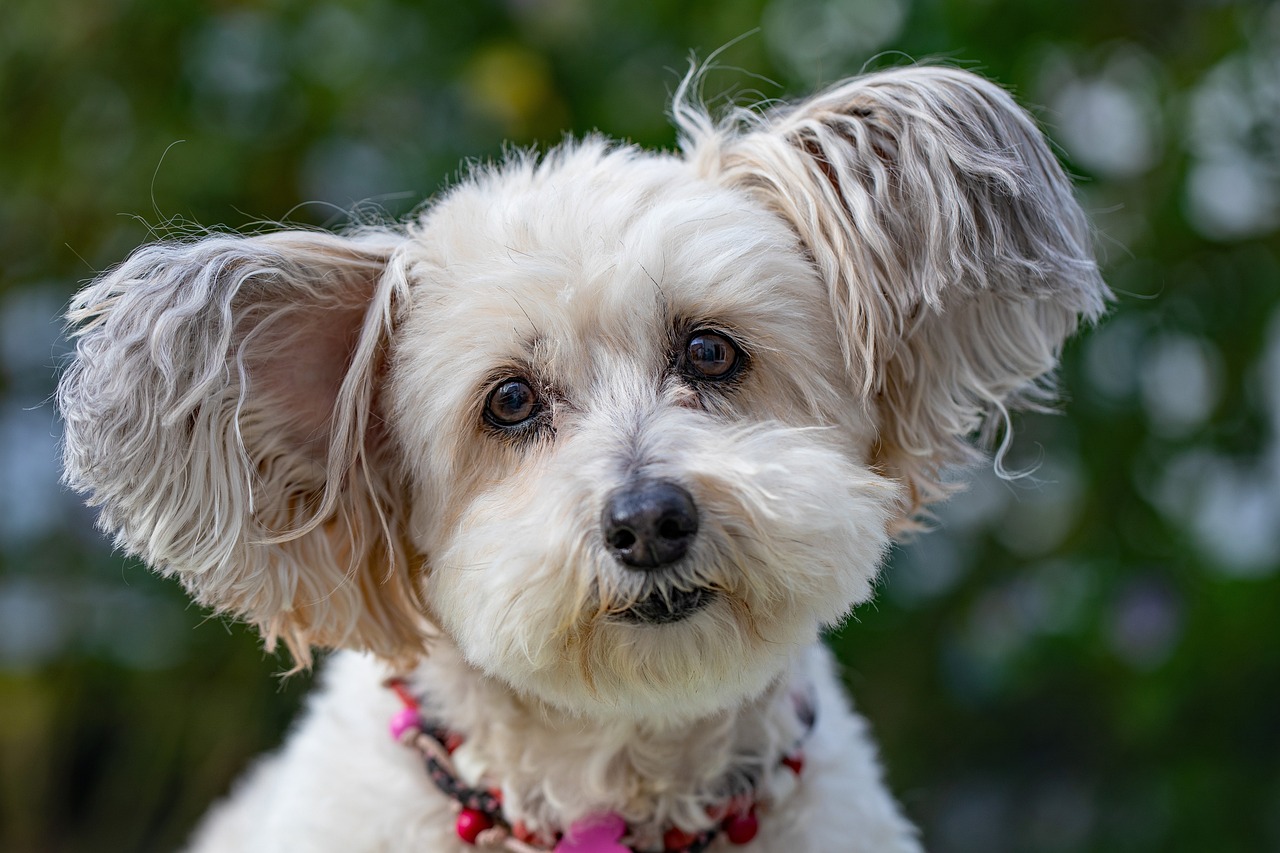
Training your dog is a rewarding process that fosters a deeper connection between you and your canine companion. However, success in training is not just about teaching commands but also about understanding your dog’s body language. Dogs communicate largely through non-verbal cues, and interpreting these signals can significantly enhance your training experience. By learning to read their body language, you can ensure that training is a positive, effective, and stress-free experience for both of you.
In this post, we will explore various aspects of canine body language, what they mean during training sessions, and how you can use this knowledge to better communicate with your dog.
Why Body Language Matters in Dog Training
Just like humans, dogs have their own way of expressing emotions such as happiness, stress, excitement, fear, or confusion. Since they cannot use words, body language becomes their primary mode of communication. Recognizing these signals during training can help you adjust your approach to suit your dog’s emotional state, leading to more effective learning and a stronger bond.
Dogs that are stressed or fearful are less likely to focus on learning, while a calm and happy dog will be more receptive. By reading body language, you can identify when your dog is feeling anxious, excited, or relaxed, and adapt your training sessions accordingly.
Quick Recommendation : Our blog is filled with tips , tricks, and methods for training your dog. If you are seeking a comprehensive training program, we recommend the K9 Training Institute.
Key Elements of Canine Body Language
Understanding canine body language requires attention to multiple parts of your dog’s body—ears, eyes, mouth, tail, posture, and overall movement. Let’s break down each of these elements.
1. Ears
- Ears up and forward: Your dog is alert and focused. This is a sign of engagement and is ideal during training sessions when you’re trying to teach new commands.
- Ears flattened back: This can indicate submission, fear, or discomfort. If your dog’s ears are back during training, it’s important to take a break and figure out what is causing the stress.
- Neutral ear position: A calm and relaxed dog will have ears that are neither pinned back nor standing up straight. This is a good indicator that your dog is comfortable and ready to engage.
2. Eyes
- Soft eyes: A dog with soft, relaxed eyes is in a calm, happy state. This is ideal during training as it shows that your dog is relaxed and focused.
- Wide eyes or “whale eye”: If your dog’s eyes are wide and you can see the whites (known as “whale eye”), this is a sign of fear or discomfort. If you notice this, your dog may be overwhelmed or stressed, and it’s a good idea to step back or modify the training environment.
- Direct stare: While some dogs may stare at you as part of focused engagement, an intense, prolonged stare can sometimes indicate stress or challenge, especially if paired with other warning signs like stiffness.
3. Mouth
- Relaxed mouth, slightly open: A dog that is comfortable will often have a relaxed, slightly open mouth, sometimes accompanied by panting. This is a sign that your dog is in a positive emotional state.
- Tight mouth, lips pulled back: When a dog’s mouth is tight and their lips are pulled back, this can indicate stress, fear, or discomfort. If this occurs during training, it may be a sign that the session is becoming too overwhelming.
- Yawning: Though yawning is often associated with tiredness in humans, dogs yawn when they are feeling stressed or confused. If your dog starts yawning frequently during a session, it could be a sign that they need a break.
4. Tail
- Wagging tail: A wagging tail often indicates happiness, but the speed and position of the wagging tail provide further context. A slow, relaxed wag is a sign of calm contentment, while a fast, high wag can indicate excitement or arousal.
- Tucked tail: When a dog’s tail is tucked between their legs, this indicates fear or submission. If your dog’s tail is tucked during training, this is a clear sign of stress.
- Neutral or raised tail: A tail that is held in a neutral or slightly raised position is a sign of a dog that is confident and ready to engage in the training session.
5. Posture
- Loose, relaxed posture: A relaxed dog will have a loose, flexible posture, often shifting their weight comfortably or even lying down during training breaks. This shows that they are calm and comfortable.
- Stiff or rigid posture: Stiffness in a dog’s body language indicates stress or apprehension. A rigid posture can mean your dog is uncomfortable or on edge, which may require you to take a step back in your training routine.
- Cowering or crouching: These postures suggest that your dog is afraid or submissive. If this occurs, stop the training session and offer reassurance before continuing.
6. Movement
- Play bow: When a dog stretches its front legs forward and lowers its chest to the ground while keeping the hind legs straight, this is known as a “play bow.” It’s a sign of invitation to play and excitement. In a training session, a play bow might indicate that your dog is having fun and is engaged.
- Pacing or circling: Repetitive pacing or circling can be a sign of stress or confusion. If your dog is moving around excessively, they may need a break, or the task may need to be simplified.
- Freezing: If your dog suddenly stops moving, this could indicate fear or uncertainty. When your dog freezes, it’s crucial to assess the situation and consider stopping or adjusting your approach.
Recognizing Stress Signals During Training
Stress can significantly hinder your dog’s ability to learn. Therefore, recognizing signs of stress early on is crucial. Some of the most common stress signals include:
- Panting: While dogs may pant due to heat or exercise, excessive panting during training can indicate stress.
- Lip licking: Dogs often lick their lips when they are feeling anxious.
- Shaking off: If your dog gives a sudden “shake off” as if they are shaking water from their coat, this can be a sign of releasing tension or stress.
- Avoidance behaviors: Turning away, sniffing the ground, or pretending to be interested in something else are avoidance behaviors that indicate your dog is trying to disengage from the situation.
Adapting Your Training Based on Body Language
Understanding your dog’s body language allows you to tailor your training sessions to suit their emotional state and learning style. Here are some tips on how to adjust your training:
- Pause when stressed: If you notice signs of stress, such as whale eye, pacing, or lip licking, it’s important to take a break. This gives your dog time to relax and prevents them from associating training with discomfort.
- Celebrate calmness: Reinforce relaxed, calm behavior with positive reinforcement. This encourages your dog to maintain a calm, focused state during training sessions.
- Be mindful of body language during new commands: When introducing new commands, be on the lookout for signs of confusion or frustration. If your dog seems unsure, break the task down into smaller steps and reward incremental progress.
- Use play as a reward: Play can be a great way to relieve stress and make training sessions more enjoyable. If your dog shows a play bow or other signs of excitement, incorporate short play sessions to keep them motivated.
Conclusion
Understanding your dog’s body language is one of the most important aspects of effective training. By learning to read and respond to these signals, you can create a more positive, stress-free training environment. Your dog will feel more understood, making the training process smoother and more enjoyable for both of you. Patience, observation, and adaptation are key to building a strong, communicative bond with your dog.
Quick Recommendation : Our blog is filled with tips , tricks, and methods for training your dog. If you are seeking a comprehensive training program, we recommend the K9 Training Institute.